Sunsets Are Bad for Your Landscape Photography
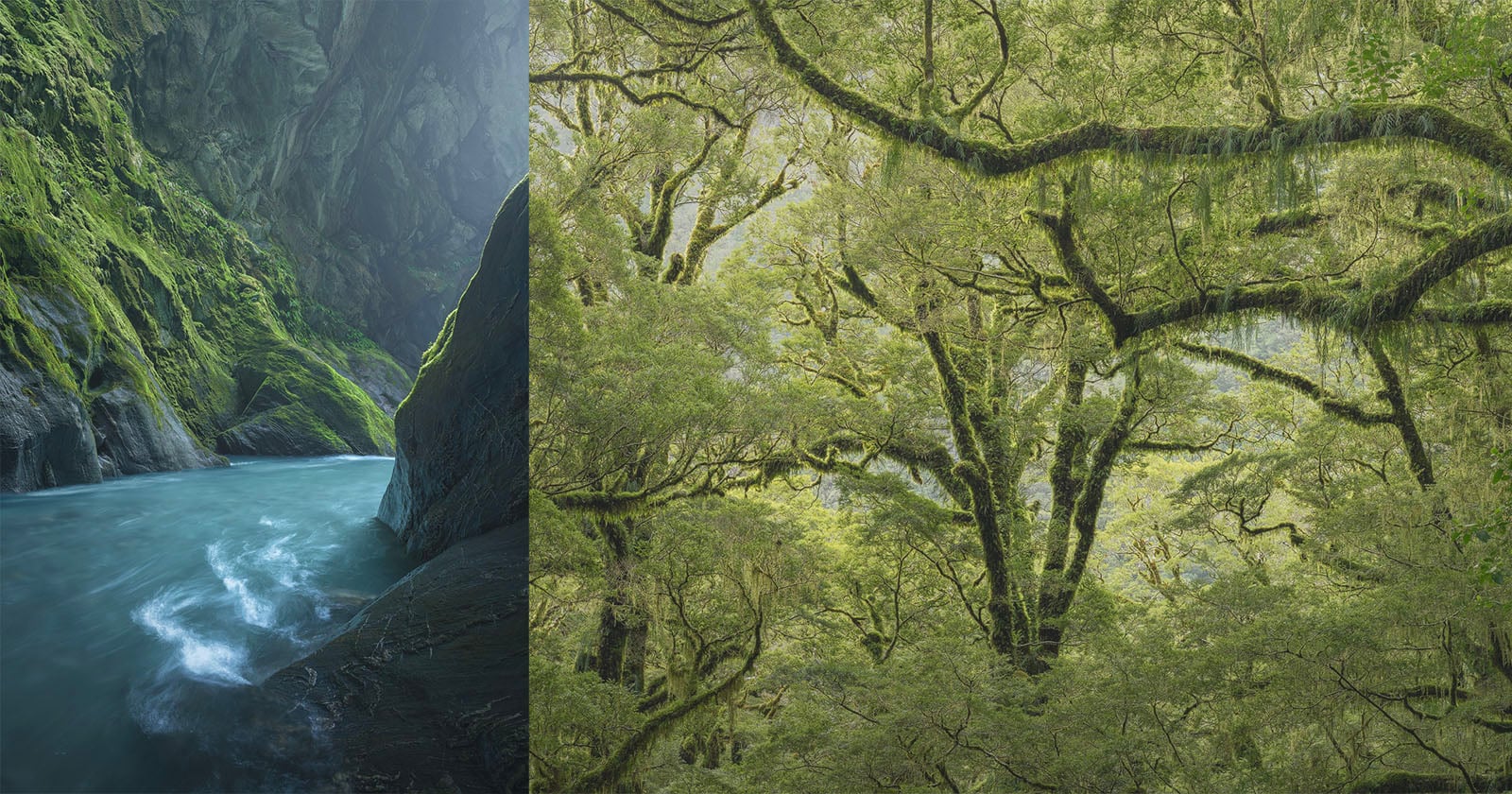
Now, my not-so-piping-hot take is more nuanced, but I still stand by that statement in the title. Because while stunning skies are what drew me to landscape photography, they’ve also held back my development and growth.
In fact, by excluding the sky from your frames altogether, you’ll capture stronger, more meaningful compositions. So let’s dive in.
Growing up on the South Coast of NSW, I was drawn to landscape photography by big, bold skies over world-class seascapes, like Bombo Quarry and Cathedral Rocks.
I’d wake early to witness glorious sunrises igniting over the ocean. And I’d stay out late to see sunsets cast a golden glow over the mountains. I chased these carnivals of light. Restlessly.
I’d track the angle of the sun throughout the year. I’d forecast cloud cover through the week. I’d return to the same vantage point morning after morning.
All to capture a bigger, bolder, sunrise than yesterday.
And in the early days of Instagram, I’d share these light shows with the world. The feedback loop of likes, reposts and fire emojis rewarded and reinforced this. So I’d seek out more epic skies, more spectacular storm clouds.
In those early years, I became hyperfocussed on stunning skies. The land, at best, was a secondary consideration. At worst? I’d turn the land into a silhouette — or I’d exclude it altogether.
Since then, I’m pleased to report, I expanded my definition of landscape photography beyond ‘banger sunset’.
As I grew as a photographer, I didn’t just grow more appreciative of curious landforms and more subtle scenes. I become actively wary of colourful skies for three reasons:
These all might seem like first-world problems; The classic Simpsons meme “old man yells at cloud” seems apt here. So let me be clear: Colorful sunsets are worthy rewards of planning and commitment to the craft.
As someone who’s returned to the same seastacks at Cathedral Rocks many dozen times over, I still champion the virtues of chasing ideal conditions as much as anyone.
Landscape photographers should pursue brilliant light shows to showcase scenes in the best light. But that pursuit should not come at the expense of your artistic potential.
The cost (that I know all too well) is that by fixating on (or hoping for) certain elements to align, you risk overlooking other – just as impressive and likely more meaningful – ones that already exist.
Brilliance can be blinding. And landscape photography is so much more than waiting for the clouds to explode with colour.
By not fixating on sunsets, you remove preconceived ideas that anchor your creativity. You begin to notice and appreciate the smaller scenes around you.
Since I’ve opened my awareness to landscapes as they are, I can better consider the essence of an environment and capture its defining details in a fresh light.
For me, that’s one of our core callings as artists: To shine a spotlight on ideas that others may have overlooked or taken for granted.
Photographing beyond golden hour has enriched my photography and expression in several ways:
I’m still mesmerized by marvelous light shows, so this is far from a call for you to reject sunsets altogether.
But my photography journey — from chasing skies to slowing down for smaller scenes — has freed me from narrow views that limited my creativity. It’s led me to experience nature with more presence and to compose scenes with more consideration (both grand and intimate).
If you can relate, I urge you to enter landscapes with fewer pre-formed expectations. To challenge yourself beyond golden hour. To exclude the sky entirely from your frame. To choose balanced over bold.
By moving beyond sunsets, your photography can become a richer expression of your potential as an artist. And your images will be a more meaningful representation of landscapes as they are – not just momentary light shows.
Or not. I’ll still be here yelling at clouds.
About the author: Mitch Green is an Australian landscape and nature photographer. He can be found via his website, on Instagram or wandering through the wilds of Tasmania. The opinions expressed here are solely those of the author.