Saving Lee Miller: Exhibition Tries to Secure Iconic Photographer’s Legacy
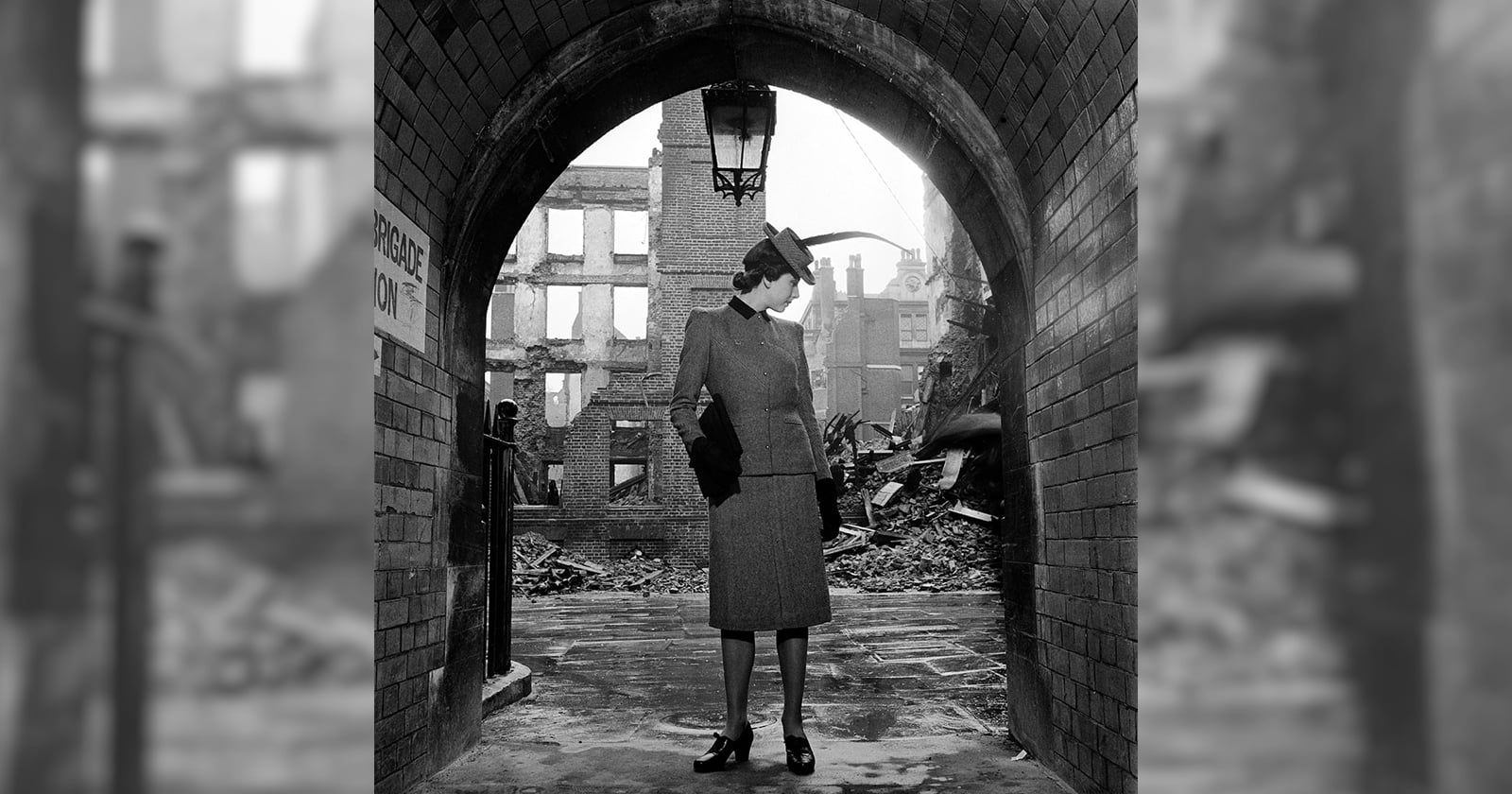
A new London exhibition, Lee Miller: Performance of a Lifetime, is not only celebrating the pioneering photographer’s extraordinary career but also raising crucial funds to preserve her fragile archive.
Thousands of negatives, prints, and manuscripts discovered in her Sussex home are at risk of deterioration, and proceeds from the show will support freezing, digitising, and safeguarding these irreplaceable works for future generations. The exhibition demonstrates how the art world can combine celebration with preservation, ensuring that Miller’s legacy remains accessible for decades to come.
Lee Miller’s photography occupies a singular place in twentieth-century history. From the streets of Paris in the 1920s to the frontlines of World War II, she captured moments of striking beauty, drama, and human vulnerability with extraordinary technical skill. Her career spanned fashion, Surrealism, and war photojournalism, and her images reveal an artist equally adept at creating elegance in the studio as documenting the harsh realities of conflict. Miller’s work continues to resonate today, offering a rare combination of aesthetic sophistication and historical testimony.
In 2026, London pays tribute to this extraordinary career with an exhibition of 34 photographs that traces her journey from early Surrealist collaborations in Paris to her wartime reportage. The show highlights the central role of performance, staging, and theatricality in Miller’s work, whether she was photographing fashion models, studio portraits, or the liberation of concentration camps. Presented in dialogue with her major retrospective at Tate Britain, the exhibition offers a focused lens on the artistry, ingenuity, and courage that defined her practice.
A post shared by Lyndsey Ingram (@lyndsey_ingram)
Born in 1907 in Poughkeepsie, New York, Lee Miller began her career as a model, working with some of the era’s most prominent photographers. Determined to be behind the camera rather than in front of it, she moved to Paris in 1929 to collaborate with Man Ray. There she quickly established her own studio, mastered advanced photographic techniques such as solarization, and developed a distinctive approach to lighting, composition, and staging. Her early studio work demonstrates a precision and creativity that would become hallmarks of her career.
Miller’s early years in Paris also exposed her to the Surrealist movement, where she experimented with unexpected juxtapositions, theatrical effects, and dramatic visual storytelling. Her images from this period combine technical mastery with an imaginative sensibility, setting the stage for her later work in both commercial and documentary photography. These formative experiences made her a unique voice in photography, able to navigate both art and commerce with equal authority.
Her impact extended far beyond studio work. As one of the few women accredited as a combat photographer during World War II, she documented the liberation of Paris, the siege of St. Malo, and the liberation of Dachau and Buchenwald. Her wartime images are stark, moving, and meticulously composed, revealing a photographer capable of translating human tragedy into enduring visual records. Today, her photographs are held in significant collections worldwide, including Tate Britain, the National Portrait Gallery in London, and the Museum of Modern Art in New York.
The London exhibition, open from January 23 to February 25, 2026, focuses on the theatrical elements of Miller’s work. Curated by Clara Zevi in collaboration with the Lee Miller Archives, the show presents 34 photographs in pairs, emphasizing formal and conceptual dialogue. Dramatic wartime scenes are juxtaposed with early studio and fashion images, highlighting how Miller’s fascination with performance informed all aspects of her photography.
A newly released platinum print of opera singer Irmgard Seefried performing amid the bombed ruins of Vienna’s State Opera House exemplifies Miller’s ability to capture both resilience and artistry under extreme conditions. Similarly, early studio portraits and Vogue commissions demonstrate her command of lighting, composition, and narrative. Across all her work, theatricality and storytelling serve as connecting threads, linking the elegance of fashion to the stark realities of war.
By presenting images in dialogue, the exhibition illuminates how Miller blended artistry and documentation. Her photographs invite viewers to engage with narrative, tension, and atmosphere, whether the subject was a couture model, a Surrealist tableau, or a child in liberated Eastern Europe. This approach distinguishes Miller as a photographer whose vision transcends genre, making her work as compelling today as it was during her lifetime.
A post shared by Lyndsey Ingram (@lyndsey_ingram)
While celebrating Miller’s achievements, the exhibition also supports the urgent preservation of her archive. Following her death in 1977, thousands of negatives, prints, and manuscripts were discovered in the attic of her Sussex home, Farleys House. Today, approximately 60,000 negatives are stored there, many of which are deteriorating due to age and storage conditions. Without conservation, these materials risk being lost forever.
Proceeds from the exhibition will fund measures such as freezing fragile negatives to prevent chemical degradation, creating additional storage space, and digitising the collection for long-term access. The Lee Miller Archives, managed by her son Antony Penrose and granddaughter Ami Bouhassane, works closely with curators and conservation specialists to secure both the physical and digital preservation of the collection. These efforts ensure that Miller’s work remains available for public study and appreciation.
By linking artistic celebration with tangible preservation, the exhibition demonstrates that protecting cultural heritage requires both resources and engagement. Miller’s work, spanning fashion, Surrealism, and wartime reportage, continues to inspire and educate, and the fundraising component ensures her legacy remains accessible to future generations.
Crowdfunding and public fundraising have become essential tools for preserving cultural heritage when institutional funding is limited. These methods allow communities of supporters to contribute directly, helping museums, archives, and estates protect and conserve their collections while fostering public engagement.
The Lee Miller Archives uses a similar approach. In addition to gallery sales, fundraising initiatives engage the public to support conservation, digitisation, and the long-term protection of Farleys House. Supporters worldwide can help secure Miller’s legacy by ensuring that her negatives and prints remain intact and accessible.
Other notable examples include Space Center Houston’s Kickstarter to restore Apollo Mission Control and the Smithsonian’s fundraising campaigns to preserve historic objects such as Neil Armstrong’s spacesuit and Judy Garland’s ruby slippers. Crowdfunding has also enabled the repatriation and protection of endangered artifacts, demonstrating how digital engagement can expand access and responsibility for cultural heritage projects.
A post shared by Lee Miller Archives (@leemillerarchives)
Lee Miller’s recognition has grown substantially in recent years, with exhibitions and retrospectives celebrating her achievements on their own terms. Efforts at Farleys House, through the Lee Miller Archives, and the exhibition, Lee Miller: Performance of a Lifetime ensure that her contributions to fashion, Surrealism, and wartime photography remain available to future generations. By integrating fundraising, conservation, and public engagement, these initiatives offer a model for protecting cultural history in the modern era. Thanks to these conservation efforts, her work will continue to educate and move audiences for decades to come.
Image credits: Lee Miller Archives, Cover image © Lee Miller Archives, England 2025. All rights reserved. leemiller.co.uk.