NPPA 'Emphatically Opposes' White House's Manipulation of Journalistic Images
The National Press Photographers Association (NPPA) has issues a statement noting its “firm opposition” to the manipulation of journalistic images by the White House, saying it doing so was meant to purposely mislead the public.
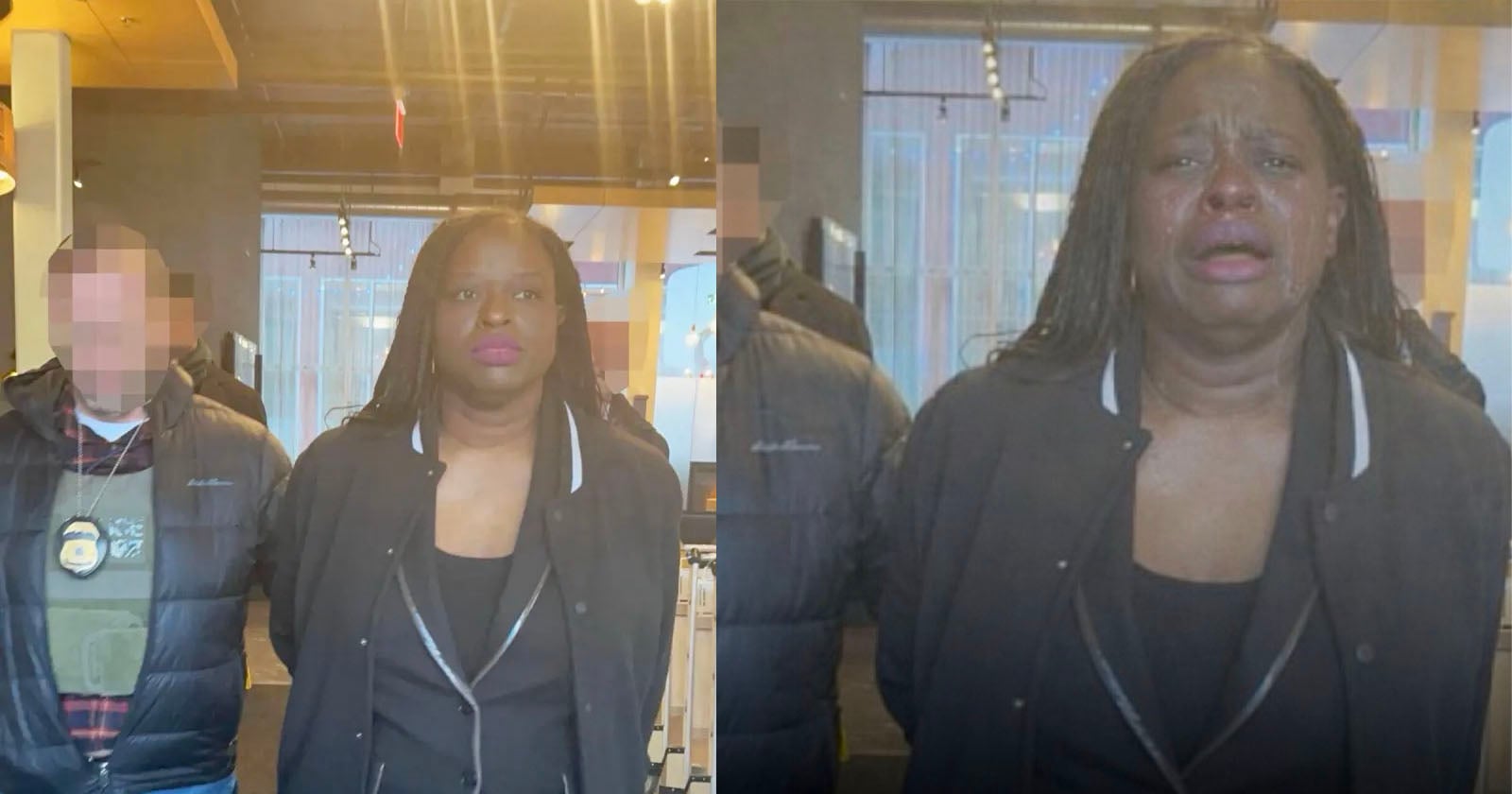
As PetaPixel reported earlier today, the official White House X account, formerly Twitter, published a digitally altered photo that changed the expression of a protestor who was arrested in Minnesota. Nekima Levy Armstrong was one of three people arrested for their part in disrupting a church service in St Paul. The original photo of the arrest, published by U.S. Secretary of Homeland Security Kristi Noem is in stark contrast to the manipulated photo published just half an hour later by the official account of the White House.
The NPPA has now released an official statement on the matter, firmly opposing such a move in any capacity but especially when disseminated by a government entity.
“The National Press Photographers Association emphatically opposes the manipulation of journalistic imagery that misleads the public. Visual accuracy is fundamental to photojournalism’s role in informing the public and preserving the historical record. Alterations that change the substance of a scene, distort context, or convey a false impression, especially when distributed by official government channels, violate the basic ethical standards of our profession and weaken public trust in visual media. This is especially true during a time when the government dismisses truthful images as “fake news.” We call on all public officials and institutions to uphold the highest standards of visual integrity and reaffirm our commitment to educating, advocating, and enforcing ethical practices for photographers and visual journalists everywhere,” the organization writes.
The NPPA says that accuracy and truthfulness “are core to the credibility of visual reporting. NPPA’s Code of Ethics states that the content of a photograph must not be altered in any way that deceives the public. The integrity of photographic images is essential to public trust and to the historical record. Altering editorial content for any purpose that misrepresents subjects or events undermines that trust and is incompatible with professional practice.”
The White House will likely defend it’s choice by calling its edit a “meme,” as deputy communications director, Kaelan Dorr, called it.
The NPPA’s full statement can be read on its website.
Image credits:DHS / White House