The Top Five Photography Trends of 2026
AI culling, editing, and retouching company Aftershoot has identified what it believes are the top five photography trends for 2026.
“As photography enters 2026, the industry is undergoing a quiet but meaningful shift. After a long period shaped by highly polished aesthetics, algorithm-influenced visuals, and a growing push toward AI-assisted perfection, photographers and clients alike are craving something more human,” Aftershoot says.
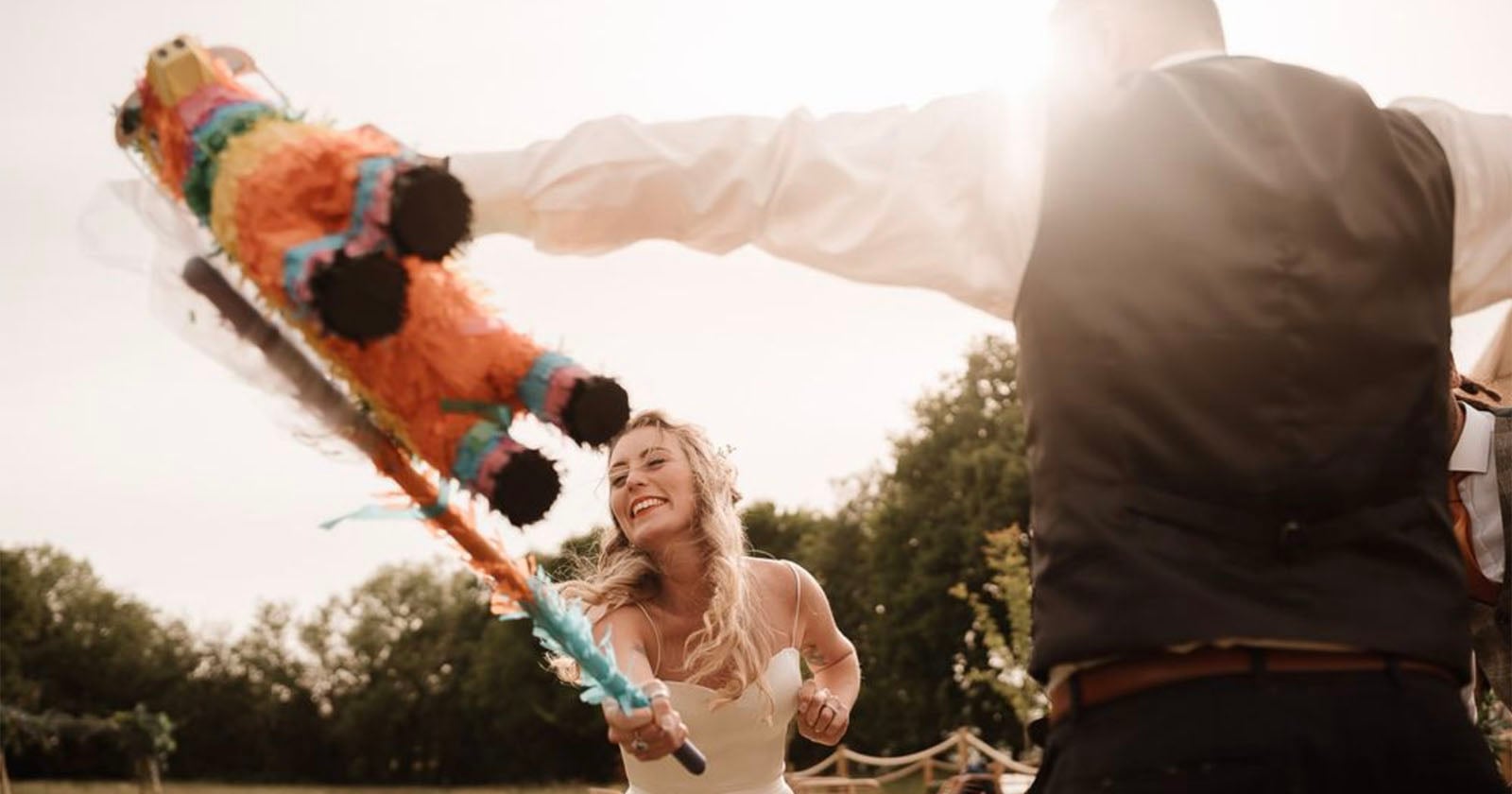
The company spoke with professional wedding, portrait, and documentary photographers to arrive at its final list of five trends, starting with “emotion over perfect.” Essentially, this is about authenticity being a hot commodity in photography in 2026.
“In 2026, photography moves away from overly controlled, flawless imagery toward moments that feel raw, intimate, and real. Imperfection becomes a feature — not a flaw,” says Aftershoot.
“What’s coming is more humanity and less posture,” adds wedding photographer Fran Ortiz. “Unfocused photos that pinch you, tears that don’t get retouched, hugs that almost smell. Photography that feels like a memory already lived.”
Other portrait and wedding photographers Aftershoot spoke to noted that clients are increasingly drawn to photos that aren’t necessarily picture-perfect.
“People are craving real expressions and real moments,” says portrait photographer Tanya Smith.
In that same spirit, Aftershoot argues that narrative-based imagery will be big in 2026.
“Story-driven documentary work is rising fast,” says Paul Williams. “There’s a clear shift toward real moments, intimacy, and substance over style.”
This carries over into wedding photography, where couples are more interested in photos that capture the entire day rather than curated highlights.
Photographer Joy Zamora says that “the future of weddings is not about producing a flawless editorial set. It’s about transforming the couple’s story, quirks, values, and emotional world into something unforgettable.”
As photographers have seen in recent years, film is back in a big way. More people are returning to film, at least for some of their photography, to feel more connected to the artistic process.
This has also carried over into the professional space and relates directly to the desire for more authenticity and realness. Film is inherently imperfect, and that’s a big part of why people love it so much.
“Analog is going to explode,” Paul Williams predicts. “It’s imperfect, and it has soul. That’s why it resonates.”
Naturally, Aftershoot is keen to point out that AI doesn’t have to get in the way of human creativity or make photography less authentic. The company, which has a real stake in this topic, says AI tools are increasingly being embraced by pros, albeit “quietly.”
“In 2026, AI doesn’t define the look of photography; it defines the efficiency of the workflow,” says Aftershoot.
“AI will streamline culling, editing, and color work,” argues portrait photographer Esther Kay. “But the art remains human. The luxury look of 2026 is authenticity — real texture, real emotion, real connection.”
There are a lot of photographers out there, and it is a very competitive space. Aftershoot and the photographers it spoke to believe that the most successful will be those best able to capture people as they truly are.
“Portraits aren’t just portraits anymore — they’re identity,” Kay continues. “Entrepreneurs, creators, and professionals want branding imagery that tells a story and defines their visual voice.”
To that end, successful photographers have to find ways to connect with their clients and become collaborators in the creative process.
Image credits: Aftershoot. Individual photographers are credited in the captions.